Expert Collision Investigations for Legal Proceedings
Updated: May 16
In the world of legal proceedings, the importance of expert collision investigations cannot be overstated. When accidents occur, the aftermath can be chaotic and overwhelming. Understanding what happened, who is at fault, and how to proceed legally is crucial. This is where expert collision investigators come into play. They provide clarity and insight that can make a significant difference in legal outcomes.
In this blog post, we will explore the role of expert collision investigations in legal cases, both criminal and civil. We will discuss the process, the importance of thorough investigations, and how these experts can help in various scenarios. Whether you are a legal professional, an insurance adjuster, or someone involved in a collision, this information will be valuable.
What is a Collision Investigation?
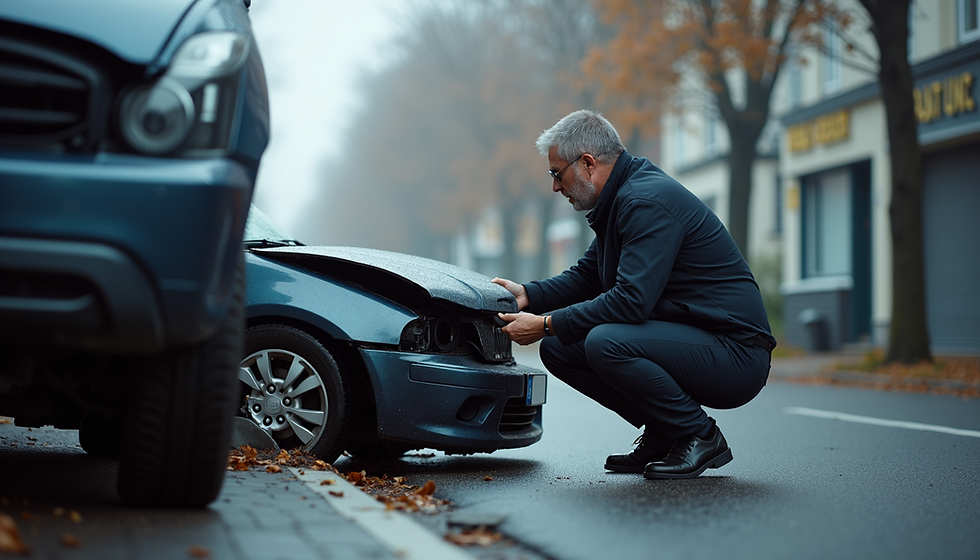
A collision investigation is a detailed examination of a collision scene. It involves collecting evidence, analysing data, and reconstructing the events leading up to the collision. The goal is to determine the cause of the accident and identify any contributing factors.
Key Components of a Collision Investigation
Scene Analysis: Investigators examine the accident scene for physical evidence. This includes, but not limited to, skid marks, debris, and vehicle positions.
Witness Statements: Gathering accounts from witnesses is crucial. Their perspectives can provide additional context to the events.
Vehicle Examination: Inspecting the vehicles involved helps identify mechanical failures or other issues that may have contributed to the accident.
Data Collection: Modern vehicles often have event data recorders (EDRs) that capture critical information. This data can be invaluable in understanding the circumstances of the collision.
Reconstruction: Using the collected evidence, experts can recreate the collision. This helps visualise how the collision occurred and can clarify liability.
Each of these components plays a vital role in forming a comprehensive understanding of the incident.
The Importance of Expert Investigators
Expert collision investigators bring specialised knowledge and experience to the table. Their expertise can significantly impact legal proceedings. Here are a few reasons why their role is essential:
1. Objectivity
Expert investigators provide an unbiased perspective. They analyse the evidence without any personal involvement, which is crucial in legal cases. Their objectivity helps ensure that the findings are credible and reliable.
2. Technical Knowledge
Collision investigations require a deep understanding of physics, engineering, and human factors. Experts are trained to interpret complex data and apply it to real-world scenarios. This technical knowledge is vital for accurate conclusions.
3. Legal Expertise
Many collision investigators have experience working with legal teams. They understand the legal standards and requirements for evidence. This knowledge helps ensure that the investigation meets legal criteria, making it more effective in court.
4. Clear Communication
Expert investigators can present their findings clearly and concisely. They can explain complex concepts in a way that is easy for judges and juries to understand. This ability to communicate effectively can be a game-changer in legal proceedings.
Common Scenarios Requiring Expert Collision Investigations
There are various situations where expert collision investigations are necessary. Here are a few common scenarios:
1. Personal Injury Cases
In personal injury cases, determining liability is crucial. Expert investigators can help establish who was at fault to assist legal professionals and their client when seeking damages. Their findings can support claims for compensation.
2. Insurance Disputes
Insurance companies often require detailed investigations to assess claims. Expert investigators can provide the necessary evidence to support or refute claims, helping to resolve disputes efficiently.
3. Criminal Cases
In cases involving criminal charges, such as causing injury by careless or dangerous driving, expert investigations can provide critical evidence. They can help establish the facts surrounding the incident, which can influence the outcome of the case.
4. Commercial Vehicle Accidents
Accidents involving commercial vehicles can be complex. Expert investigators can analyse factors such as driver behaviour, vehicle maintenance, and tachograph data. Their insights can help determine liability and responsibility.
The Investigation Process
Understanding the investigation process can help demystify how expert collision investigations work. Here is a step-by-step overview:
Step 1: Initial Assessment
The investigation begins with an initial assessment of the scene. Investigators arrive promptly to gather evidence before it is altered or removed.
Step 2: Evidence Collection
During this phase, investigators collect physical evidence, take photographs, and document the scene.
Step 3: Data Analysis
Once the evidence is collected, investigators analyse the data. This may involve reviewing EDR data, examining vehicle damage, and considering environmental factors.
Step 4: Reconstruction
Using the collected evidence, experts reconstruct the collision and offer expert opinion regarding the events leading up to the collision.
Step 5: Reporting
Finally, investigators compile their findings into a comprehensive report. This report outlines the evidence, analysis, and conclusions. It serves as a critical document for legal proceedings.
Challenges in Collision Investigations
While expert collision investigations are invaluable, they are not without challenges. Here are some common obstacles investigators may face:
1. Limited Evidence
In some cases, evidence may be scarce. This can make it difficult to draw definitive conclusions. Investigators must work with what is available and use their expertise to fill in the gaps if possible.
2. Witness Reliability
Witness statements can vary significantly. Some witnesses may have biases or may not have seen the entire incident. Investigators must carefully evaluate the credibility of each account.
3. Complex Factors
Accidents can involve multiple factors, including weather conditions, road conditions, and driver behaviour. Analysing these complexities requires a high level of expertise.
4. Legal Constraints
Investigators must navigate legal constraints when collecting evidence. They must ensure that their methods comply with legal standards to ensure the admissibility of their findings in court.
The Role of Technology in Investigations
Technology has revolutionised collision investigations. Here are some ways technology enhances the process:
1. Drones
Drones can capture aerial views of accident scenes. This perspective can provide valuable insights into the layout and conditions of the area.
2. 3D Scanning
3D scanning technology allows investigators to create detailed models of the accident scene. These models can be used for analysis and presentations in court.
3. Data Analysis Software
Advanced software can analyse data from EDRs and other sources. This technology helps investigators identify patterns and correlations that may not be immediately apparent.
4. Simulation Tools
Simulation tools can recreate accidents based on collected data. These simulations can help visualize the events and clarify complex scenarios.
Real-Life Case Studies
To illustrate the impact of expert collision investigations, let’s look at a couple of real-life case studies.
Case Study 1: The Junction Collision
In a busy urban area, a pedestrain using a pedestrain crossing was struck by a vehicle.
The Police investigator collected evidence, including CCTV camera footage and witness statements. They concluded that the driver had simply failed to see the pedestrain and consequently they were charged with driving offences.
A defence collision investigator was instructed to consider the evidence and to offer opinion regarding the locus and the pedestrian crossing concerned. They established that the locus was a 'jungle' of signs and traffic lights and that a driver had to consider and cope with many competing demands on their attention, and not solely the pedestrian crossing.
It was also established that the layout of the crossing from a pedestrian's perspective was confusing and that as a consequence, the pedestrian had crossed contrary to a red pedestrian light and had only come to the attention of the driver in a time frame in which they could not avoid the pedestrian.
This evidence and opinion was put to the court and the driver was found not guilty.
Case Study 2: The HGV Accident
A commercial truck was involved in a serious collision, it which it left the road and collided with trees before rolling down an incline. The driver suggtesed that there was a vehicle defect. The company owning the vehicle wanted to establish the circumstances of the collision. An expert investigator was hired to examine the truck and the scene.
The investigator found that the truck was free from any causation or contributory defect. This evidence shifted the focus from mechanical failure to driver behaviour. It was established that the driver had exceeded the speed limit for the road and was doing so as he entered a bend which resulted in a loss of directional control. The findings helped the company address safety and training issues and provided clarity in the legal proceedings.
The Future of Collision Investigations
As technology continues to evolve, the future of collision investigations looks promising. Here are a few trends to watch:
1. Increased Use of AI
Artificial intelligence is becoming more prevalent in data analysis. AI can help identify patterns and predict outcomes based on historical data.
2. Enhanced Training Programs
As the field grows, training programs for collision investigators are becoming more sophisticated. This ensures that experts are equipped with the latest knowledge and skills.
3. Greater Collaboration
Collaboration between law enforcement, legal teams, and expert investigators is increasing. This teamwork can lead to more thorough investigations and better outcomes.
4. Public Awareness
As awareness of the importance of collision investigations grows, more individuals are seeking expert help after accidents. This trend is likely to continue, leading to more informed decisions in legal proceedings.
Final Thoughts
Expert collision investigations play a crucial role in legal proceedings. They provide clarity, objectivity, and technical knowledge that can significantly impact outcomes. Whether you are involved in a personal injury case, an insurance dispute, or a criminal case, understanding the value of these investigations is essential.
By recognising the importance of thorough investigations and the expertise of collision investigators, you can navigate the complexities of legal proceedings with greater confidence. Remember, when it comes to accidents, knowledge is power.