Top Tips for Effective Collision Scene Analysis
Updated: May 16
Accidents happen, and when they do, understanding the scene is crucial. Whether you are a law enforcement officer, an insurance adjuster, a legal representative or maybe you've been invloved in a collision, knowing how to analyse and record a collision scene can make a significant difference. This post will guide you through effective strategies for collision scene analysis, ensuring you gather the right information and draw accurate conclusions.
Understanding the Basics of Collision Scene Analysis
Before diving into the tips, it is essential to understand what collision scene analysis entails. This process involves examining the physical evidence at the scene of an accident to determine how and why it occurred.
Key elements to consider include:
Vehicle positions: Where the vehicles ended up after the collision.
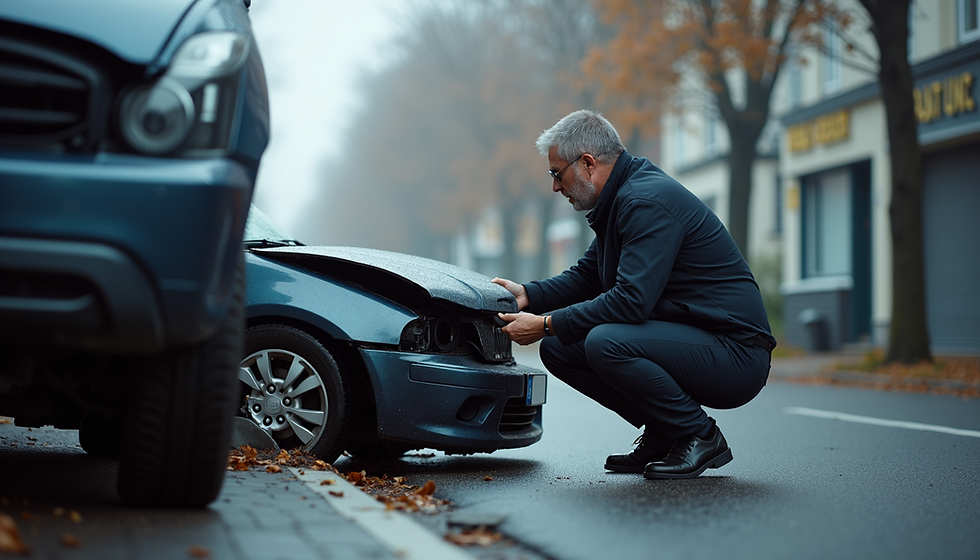
Damage assessment: The extent and location of damage on each vehicle.
Road conditions: Weather, visibility, and road surface at the time of the accident.
By focusing on these elements, you can start to piece together the events leading up to the collision.
Gather Initial Information
The first step in effective collision scene analysis is to gather initial information. This includes:
Witness statements: Talk to anyone who saw the accident. Their accounts can provide valuable insights.
Driver information: Collect details from all drivers involved, including their insurance information.
Police reports: If law enforcement is present, obtain a copy of their report. This document often contains crucial details.
Make sure to document everything thoroughly. Taking notes or recording statements can help you remember important details later.
Document the Scene
Once you have gathered initial information, it is time to document the scene. This step is vital for creating a clear picture of what happened. Here are some effective ways to document the scene:
Photographs: Take clear photos of the vehicles, road conditions, and any relevant signs or signals.

Diagrams: Create a simple diagram of the scene. Mark the positions of the vehicles, the direction they were travelling, and any other relevant details.
Measurements: If possible, measure the distance between vehicles and any other significant points. This information can be helpful in understanding the dynamics of the collision.
By documenting the scene thoroughly, you create a valuable resource for later analysis.
Analyse Vehicle Damage
Next, focus on analysing the damage to the vehicles involved. This step can provide insights into the speed and angle of impact. Here are some tips for effective damage analysis:
Look for impact points: Identify where the vehicles made contact. This can help determine the direction and speed of each vehicle at the time of the collision.
Assess the severity of damage: More severe damage often indicates higher speeds. Take note of crumpled areas, broken glass, and deployed airbags.
Consider vehicle types: Different vehicles have different safety features and structural designs. Understanding these differences can help you interpret the damage more accurately.
By carefully analysing vehicle damage, you can gain a clearer understanding of the collision dynamics.
Evaluate Road Conditions
Road conditions play a significant role in many accidents. Evaluating these conditions can provide context for the collision. Here are some factors to consider:
Weather conditions: Rain, snow, fog, or ice can affect visibility and traction. Document the weather at the time of the accident.
Road surface: Is the road smooth, or are there potholes or debris? Poor road conditions can contribute to accidents.
Traffic signals and signs: Check if traffic signals were functioning correctly and if any signs were obscured or missing.
By evaluating road conditions, you can better understand the factors that may have contributed to the collision.
Consider Human Factors
Human behaviour is often a critical element in collision analysis. Factors such as distraction, impairment, or fatigue can significantly impact driving performance. Here are some aspects to consider:
Driver behaviour: Were any drivers speeding, tailgating, or making unsafe manoeuvres?
Distractions: Look for signs of distraction, such as a phone in the driver's hand or other passengers causing distractions.
Impairment: If alcohol or drugs are suspected, this can greatly influence the analysis.
By considering human factors, you can gain a more comprehensive understanding of the collision.
Collaborate with Experts
Sometimes, it is beneficial to collaborate with experts in collision analysis. These professionals can provide valuable insights and help validate your findings. Consider reaching out to:
Accident reconstruction specialists: These experts can analyse the data and provide a detailed report on the collision dynamics.
Forensic engineers: They can assess vehicle performance and road conditions, offering a scientific perspective on the accident.
Legal professionals: If the collision leads to legal action, consulting with a lawyer can help you understand the implications of your findings.
Collaboration can enhance the quality of your analysis and ensure that you have a well-rounded understanding of the collision.
Review and Reflect
After completing your analysis, take the time to review and reflect on your findings. This step is crucial for ensuring that you have not overlooked any important details. Here are some questions to consider:
Did I gather all relevant information? Go through your notes and documentation to ensure nothing is missing.
Are my conclusions supported by the evidence? Check that your analysis aligns with the physical evidence and witness statements.
What could I have done differently? Reflect on your process and consider areas for improvement in future analyses.
By reviewing and reflecting, you can enhance your skills and become more effective in collision scene analysis.
Final Thoughts
Effective collision scene analysis is a vital skill for anyone involved in accident investigation. By following these tips, you can gather the necessary information, analyse the scene thoroughly, and draw accurate conclusions. Remember, every detail matters, and a careful approach can make all the difference in understanding what happened.
As you continue to develop your skills, keep in mind that practice and reflection are key. The more you analyse, the better you will become. Embrace the learning process, and you will find yourself equipped to handle any collision scene with confidence.